

PHOTOGRAPHS AND PAINTINGS
Featured Collections
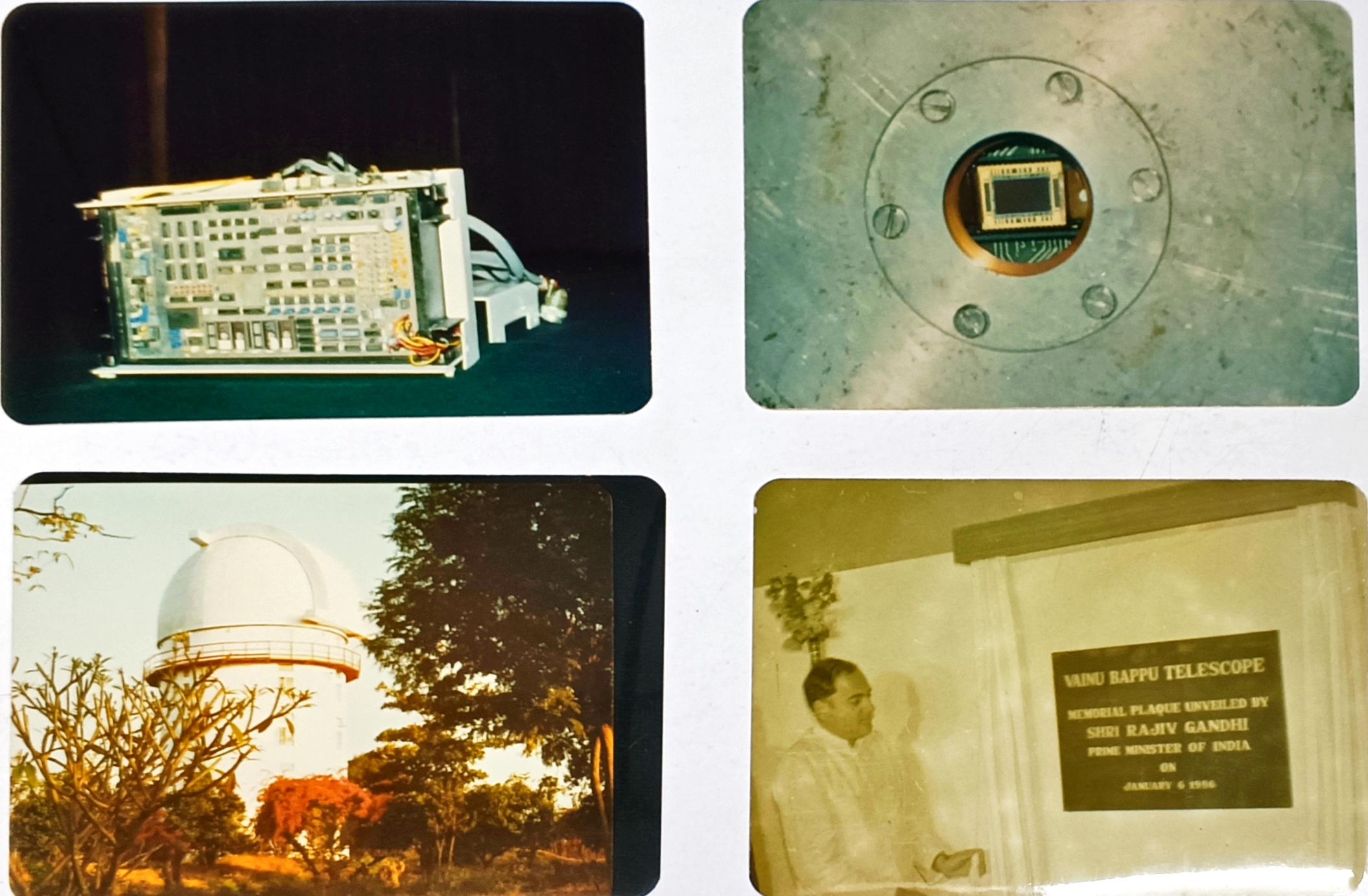
The album features photographs documenting the unveiling ceremony of the Vainu Bappu Telescope (VBT), also referred to as the 90-inch telescope, held at the Kavalur Observatory on 6th January 1986. The plaque of the VBT was unveiled by the then Prime Minister of India, Mr. Rajiv Gandhi. In addition to this historic moment, the album also includes images of various telescopes housed at the Vainu Bappu Observatory in Kavalur.
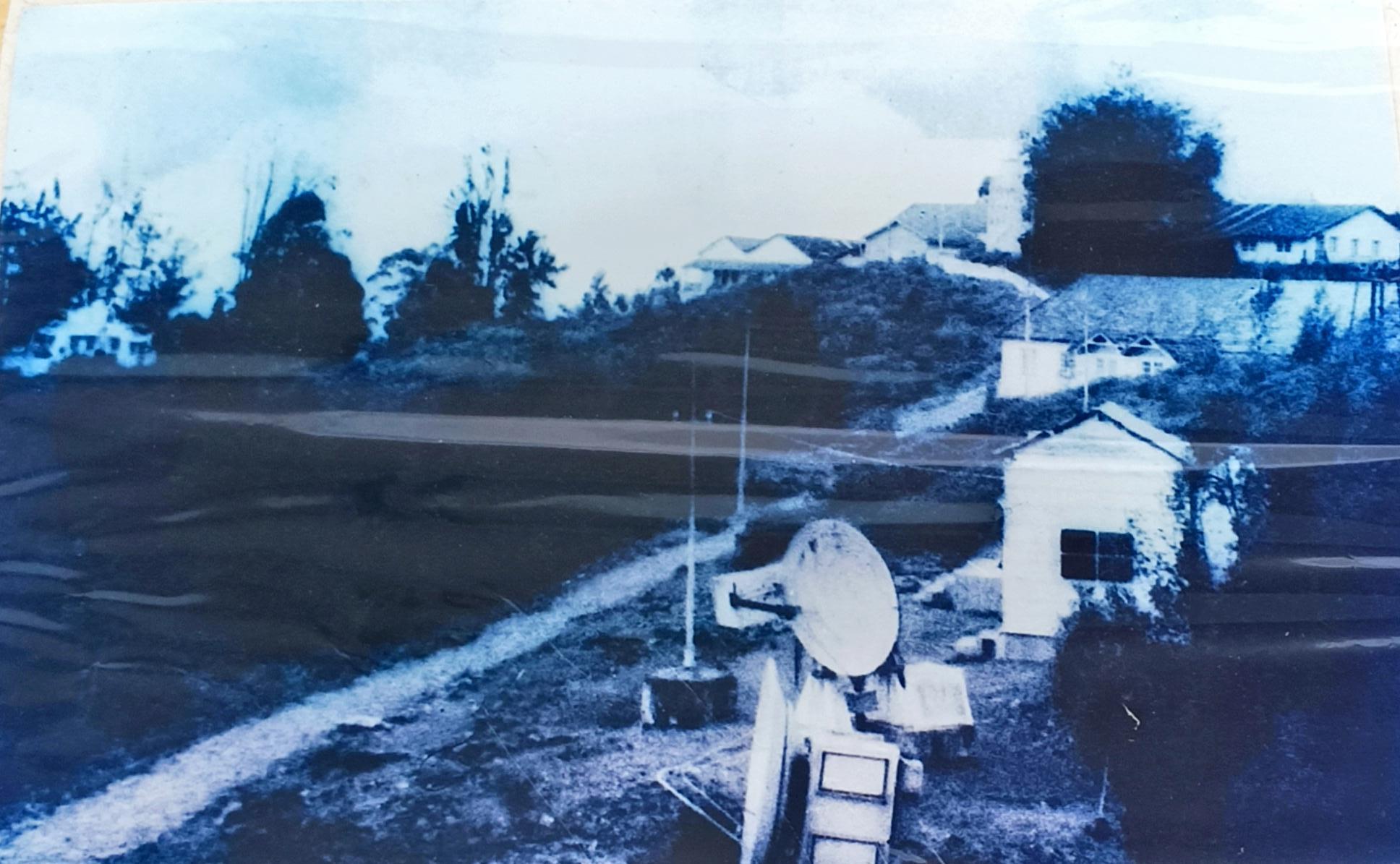
The album contains a collection of archival documents related to the Madras Observatory, offering valuable insights into its historical development. Included are an old photograph of the observatory, a photocopy of the first recorded observation dated 1786, two images depicting Kater’s pendulum suspended in front of the Haswell clock, a sketch of the observatory building from Taylor’s 1848 catalogue, and a painting of the Madras coast by Daniel. Collectively, these items present a rich historical perspective on the evolution of the observatory.
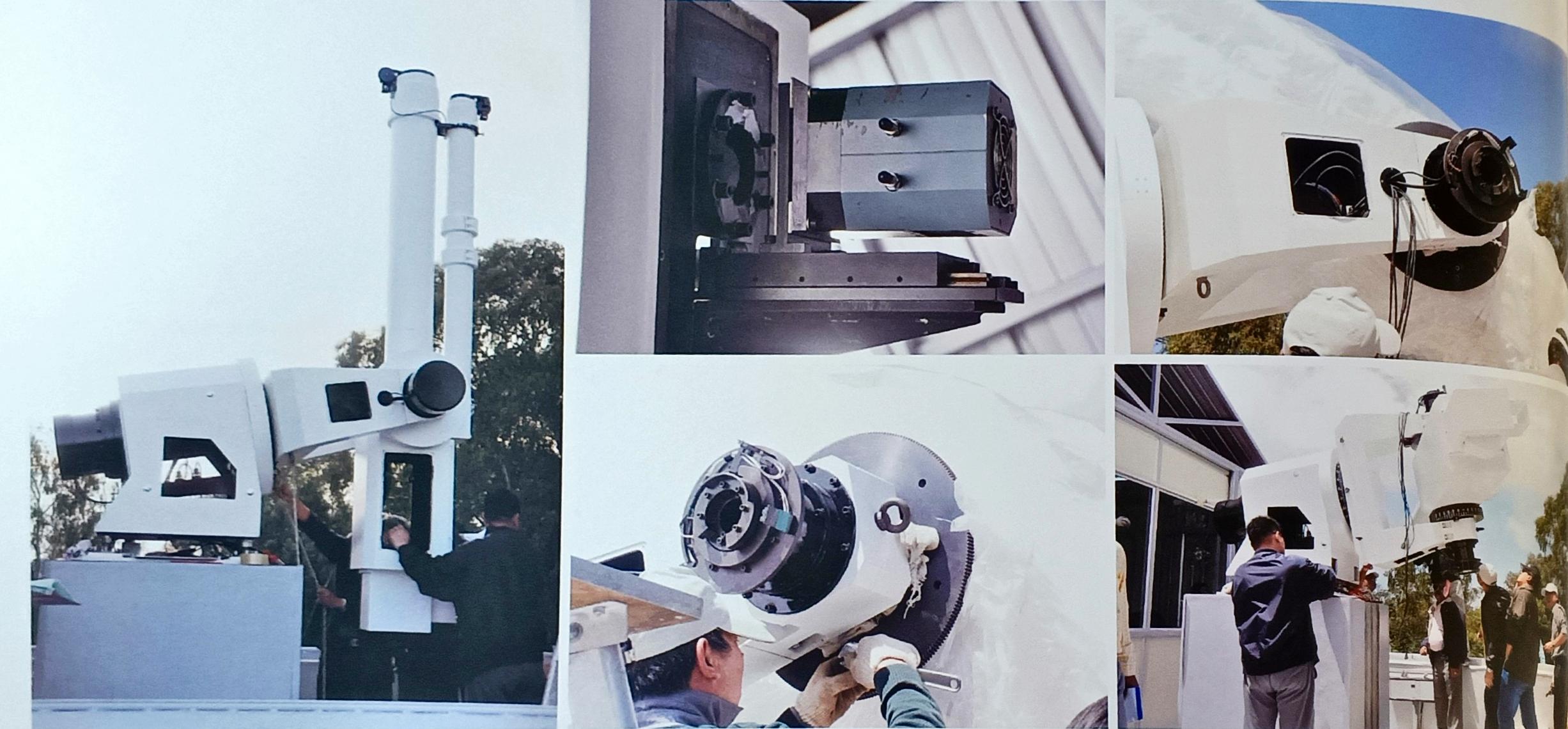
The album features a comprehensive photographic documentation of the installation of the H-alpha telescope at the Kodaikanal Observatory in 2014, carried out by a team of scientists and engineers from China. The collection includes a series of images capturing various stages of the installation process, from the initial setup to the final integration of the telescope. These photographs were taken during the tenure of Dr. P. Sreekumar as Director, commemorating a significant milestone in the observatory's continued advancement in solar astronomy.
PAINTINGS
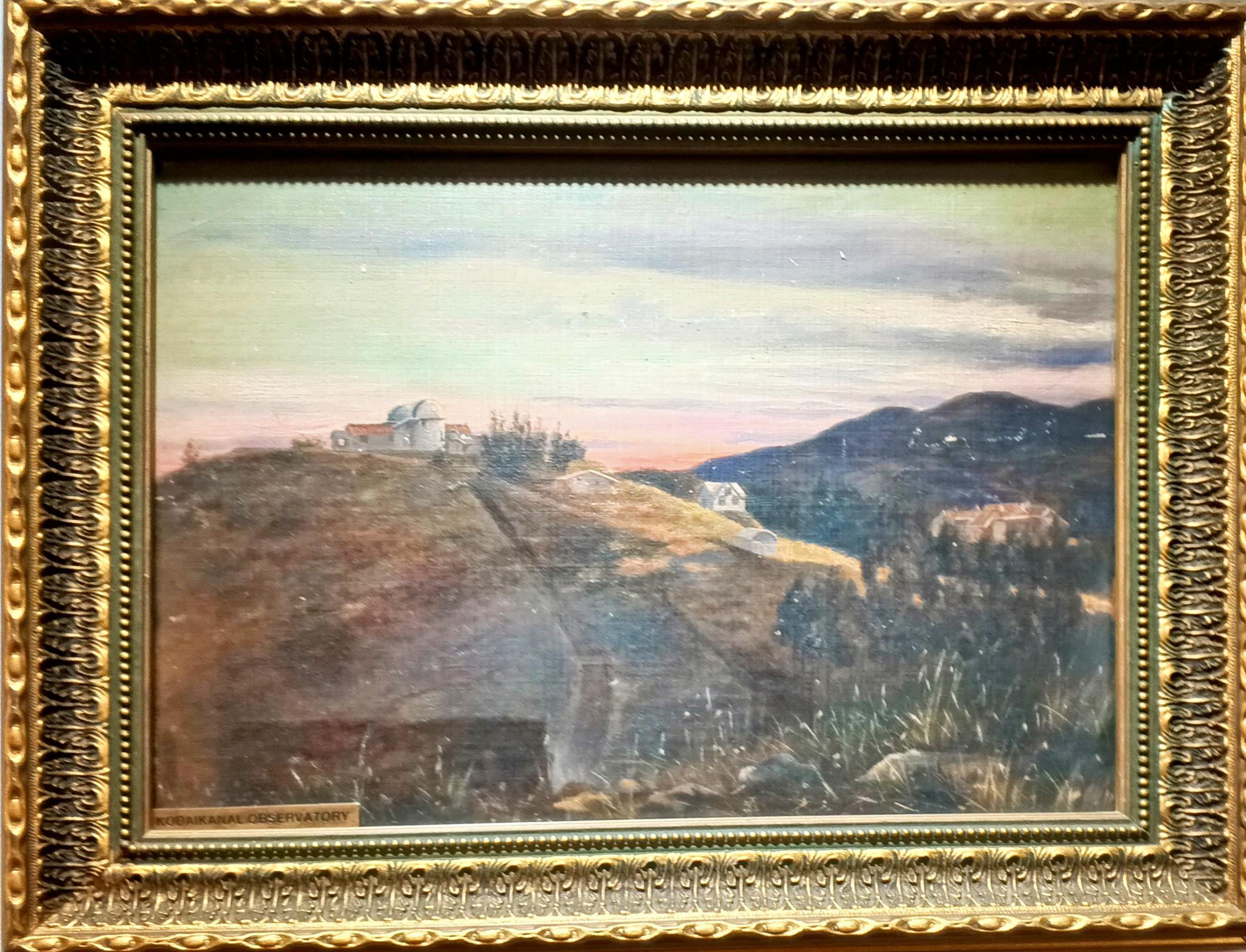
A painting of the Kodaikanal Observatory, created in 1908 by an unidentified artist, is part of the collection. Remarkably, this artwork remains in good condition to this day, providing a valuable and well-preserved visual representation of the observatory as it appeared in the early 20th century. It serves as an important historical record of this significant scientific institution in its early development.
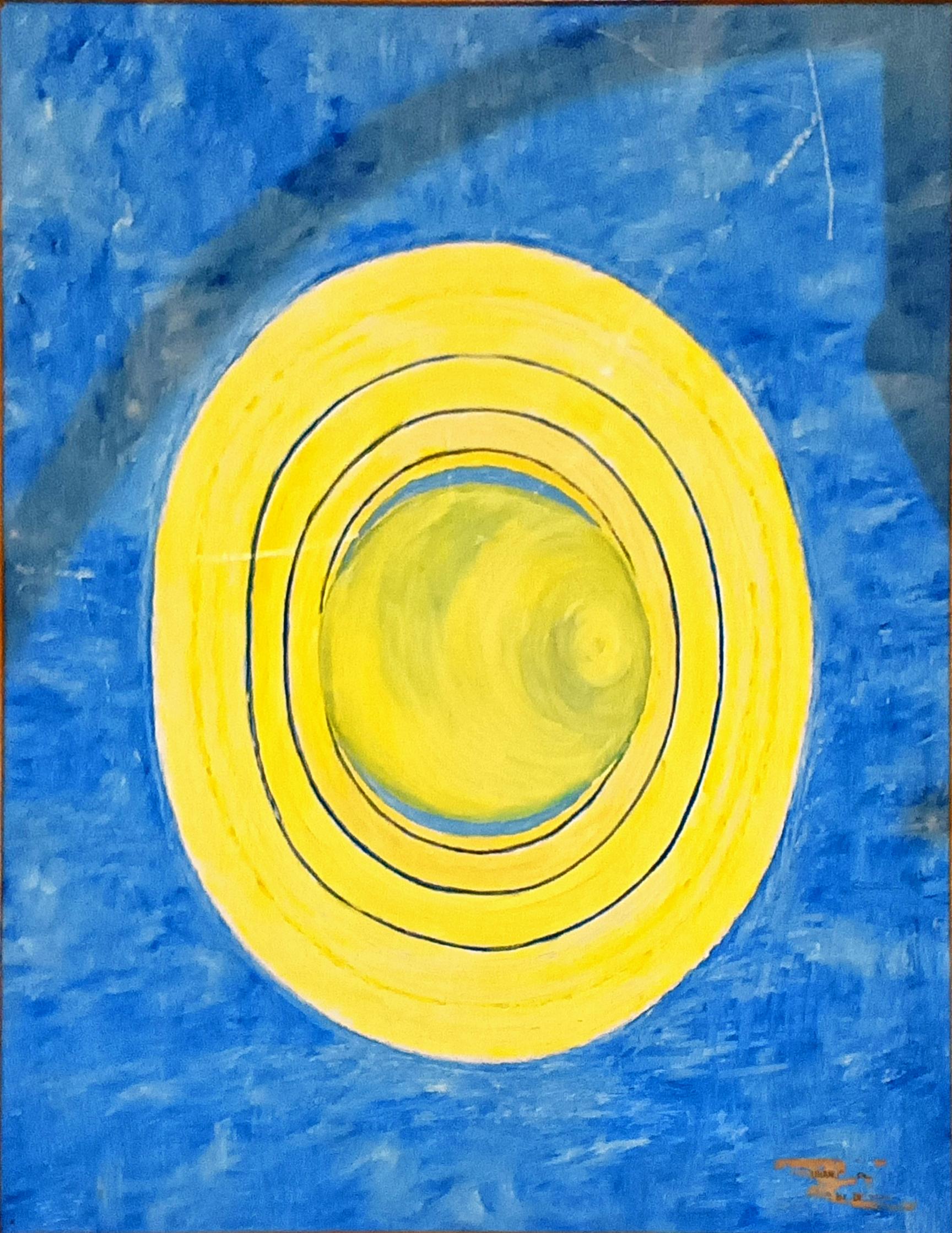
Among the notable visual records preserved in the IIA Archives is a 1979 painting of the rings of Uranus by Dr. M. K. V. Bappu. The work commemorates a landmark discovery made with the 1-metre telescope at the Vainu Bappu Observatory, Kavalur. Beyond marking this scientific achievement, the painting reflects the intersection of research and artistic expression, providing future generations with a visual representation of a pivotal moment in Solar System studies.
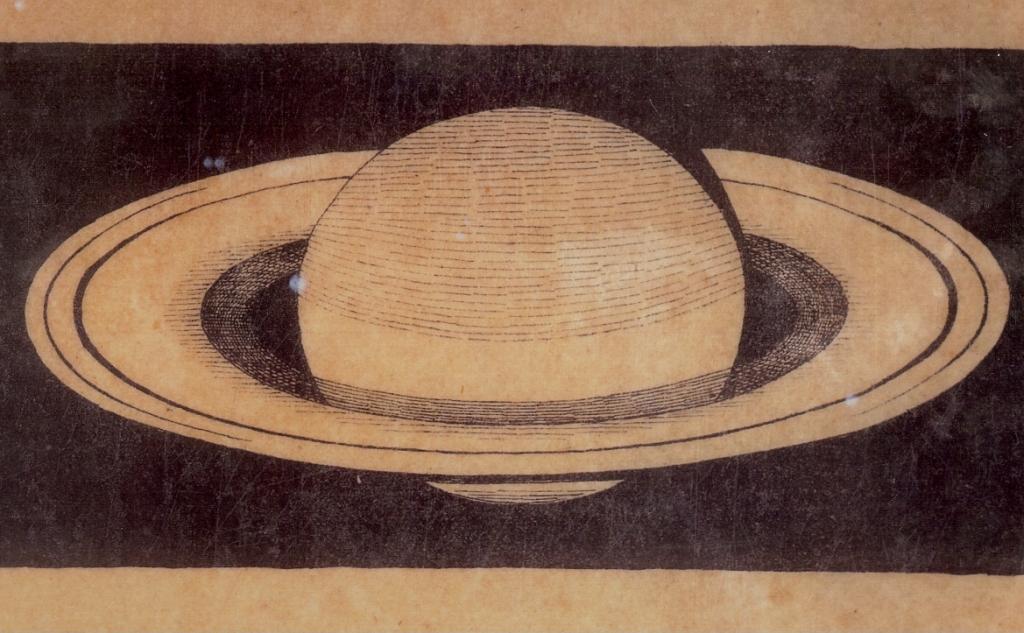
William Stephen Jacob’s one of the important contributions to planetary astronomy is his sketch of Saturn, drawn on 15 November 1852 with the Madras Equatorial telescope. The illustration, later etched by W. Forrest, faithfully records the planet’s appearance on that date and offers valuable details of its features as observed in the mid-19th century. Created during the period of Jacob’s significant studies of the Saturnian system, the sketch stands as both a scientific record and a visual testimony to early astronomical research at the Madras Observatory.